Fish guides
Know your fish
How to tell them apart, where they live, what they do through the year, and what to throw for each, in any water and any light.
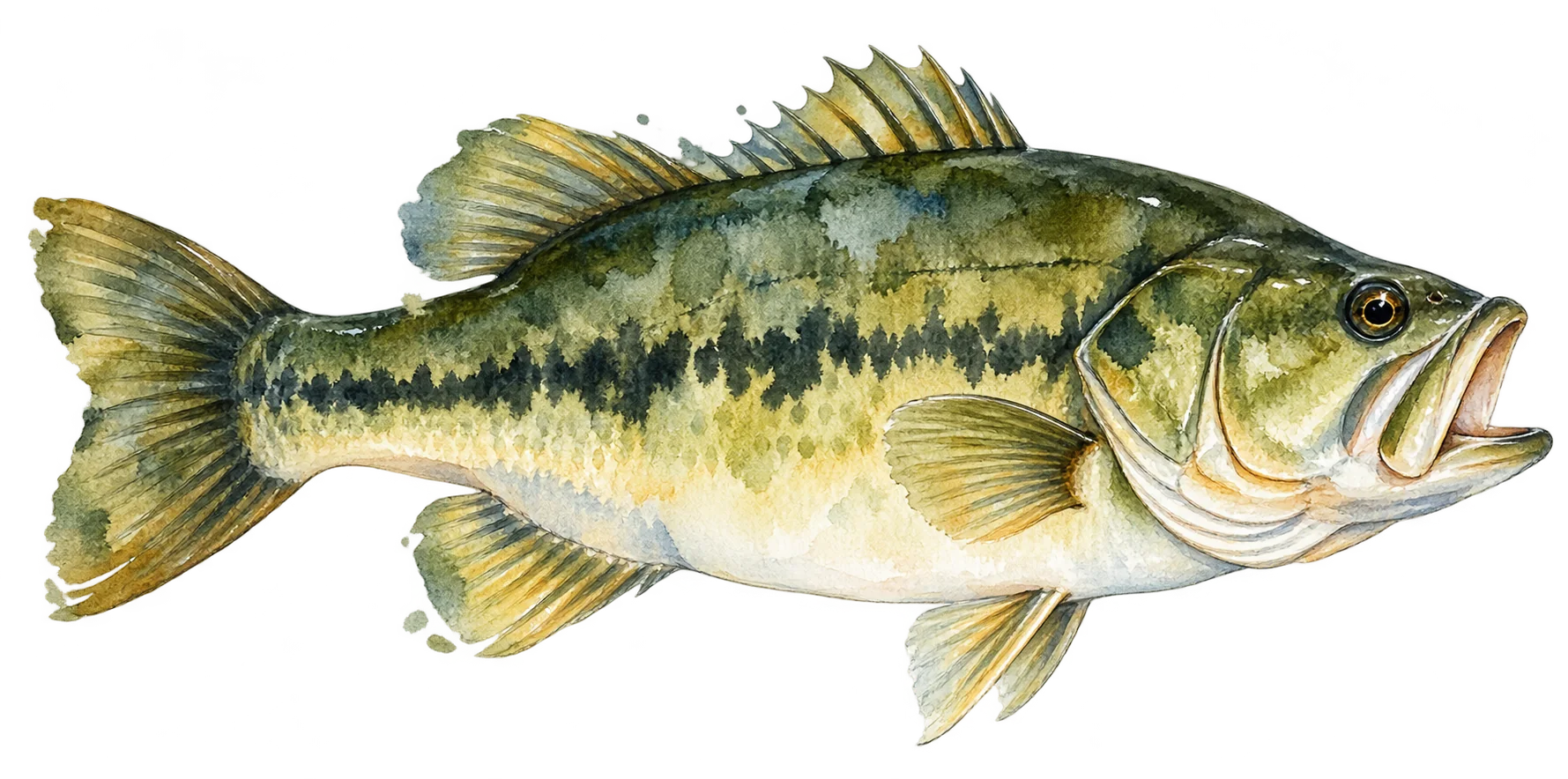 Largemouth bass Micropterus nigricans (until 2024 part of M. salmoides, a name now used for Florida bass) One of America’s most popular game fish, found in nearly every state in ponds, lakes, reservoirs and slow rivers. Largemouth ambush their food from cover, so much of the game is working out which cover they are in today.
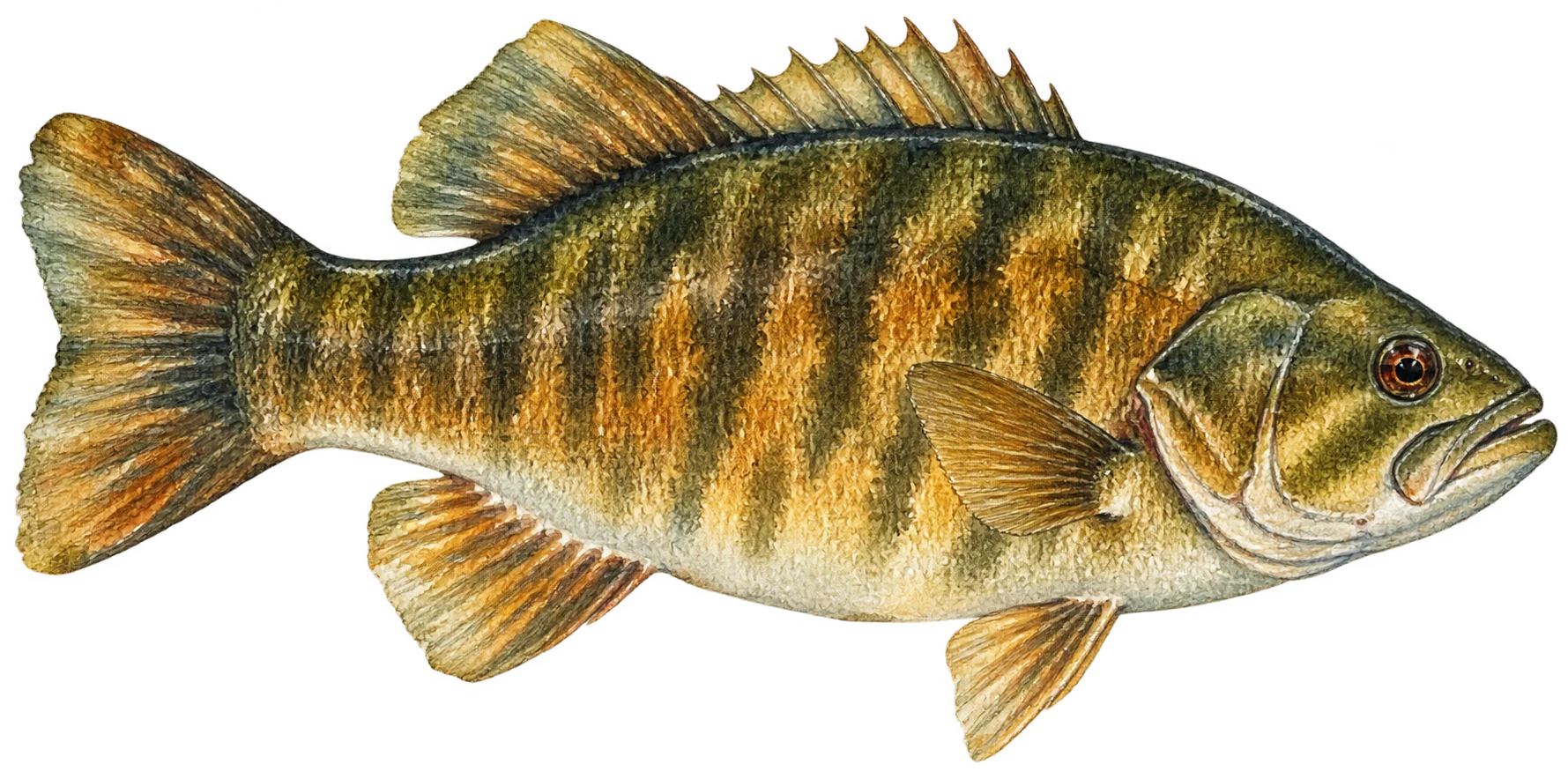 Smallmouth bass Micropterus dolomieu Pound for pound one of the hardest-fighting fish in fresh water. Smallmouth live in clear, cool rivers and rocky lakes, from the Great Lakes to Tennessee and the rivers of the West.
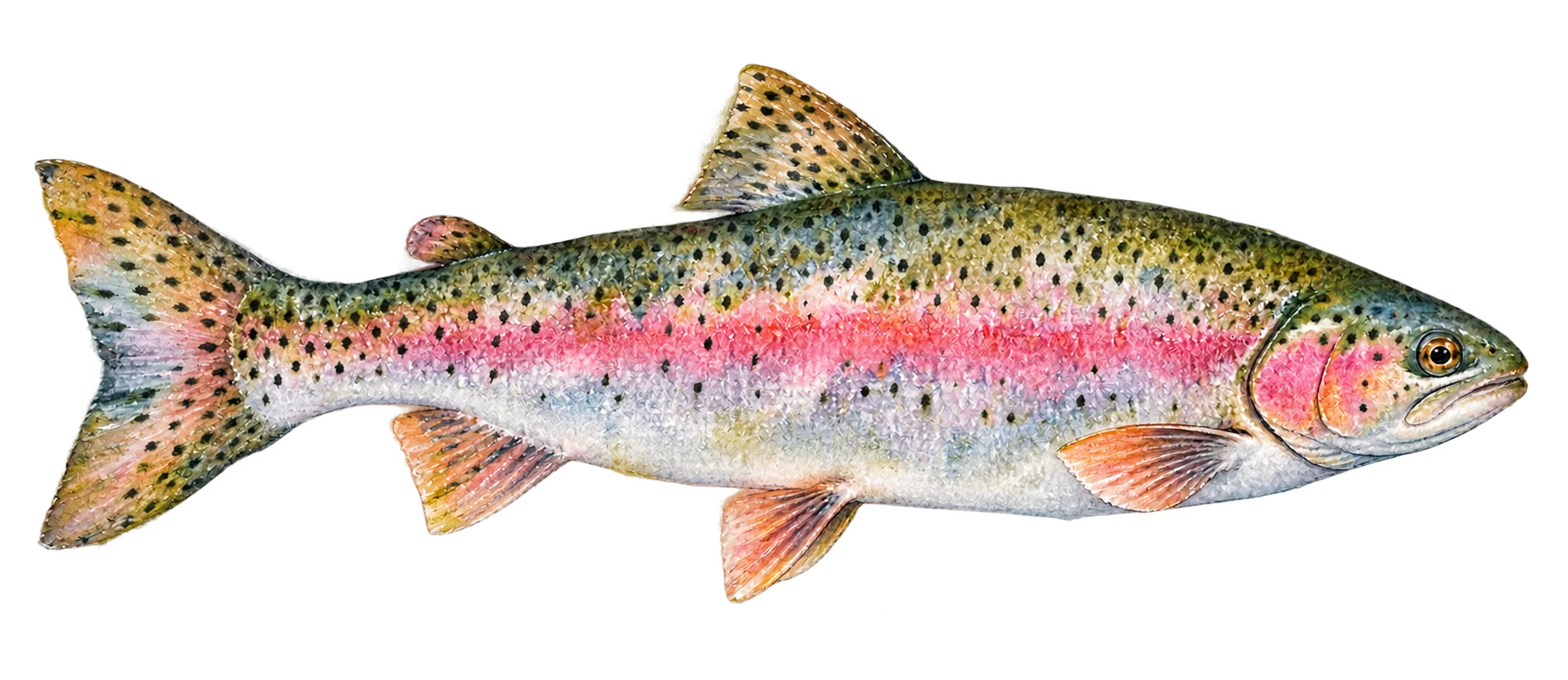 Trout Oncorhynchus mykiss, Salmo trutta, Salvelinus fontinalis Cold-water fish of mountain streams, spring creeks and cool lakes, and among the most stocked fish in America: many states release rainbows into lakes and streams in spring and fall.
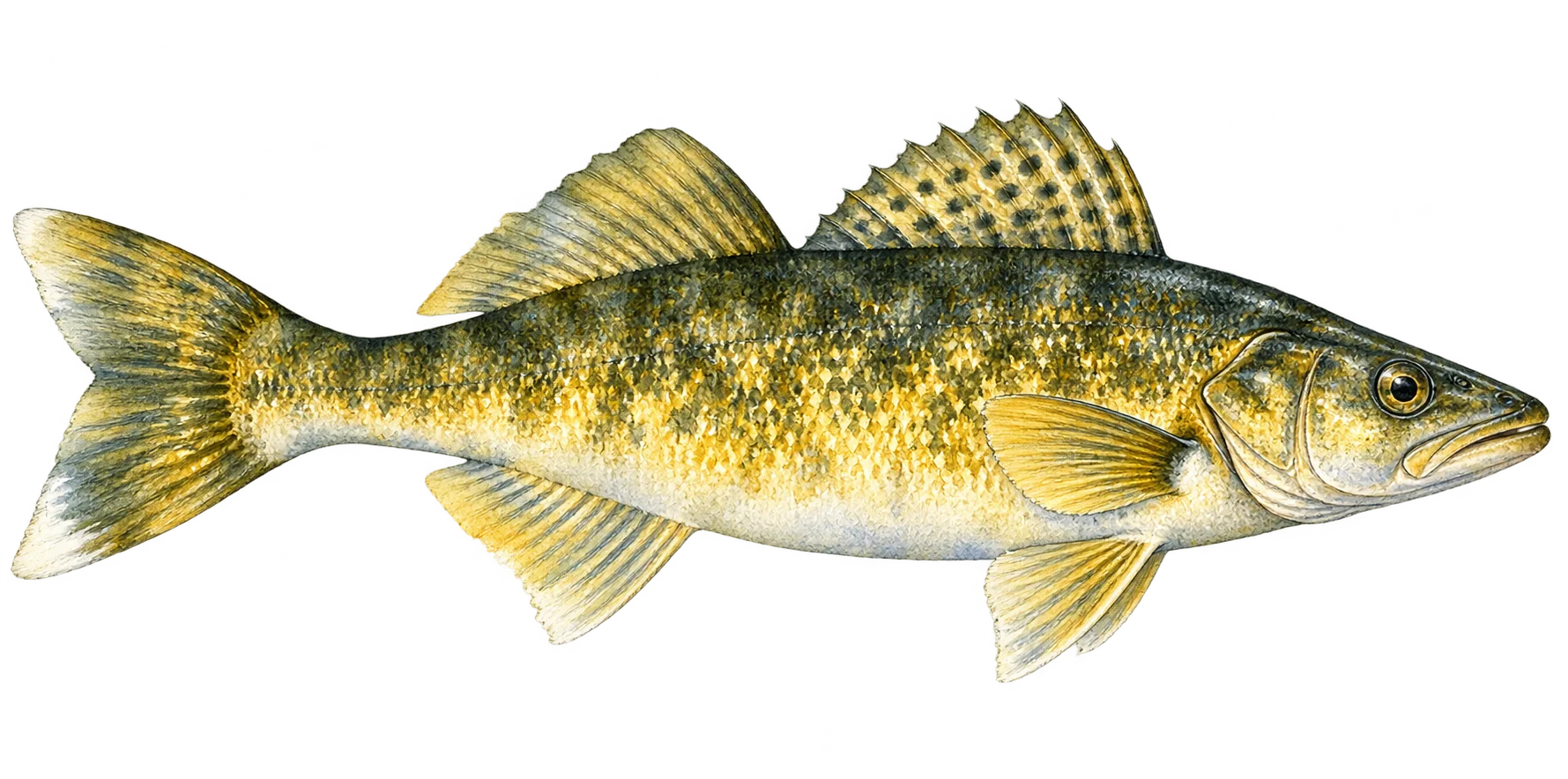 Walleye Sander vitreus The favorite fish of the northern lakes and big rivers, and one of the best to eat. Walleye see well in dim light, so they feed most at dusk, at night and in stained water.
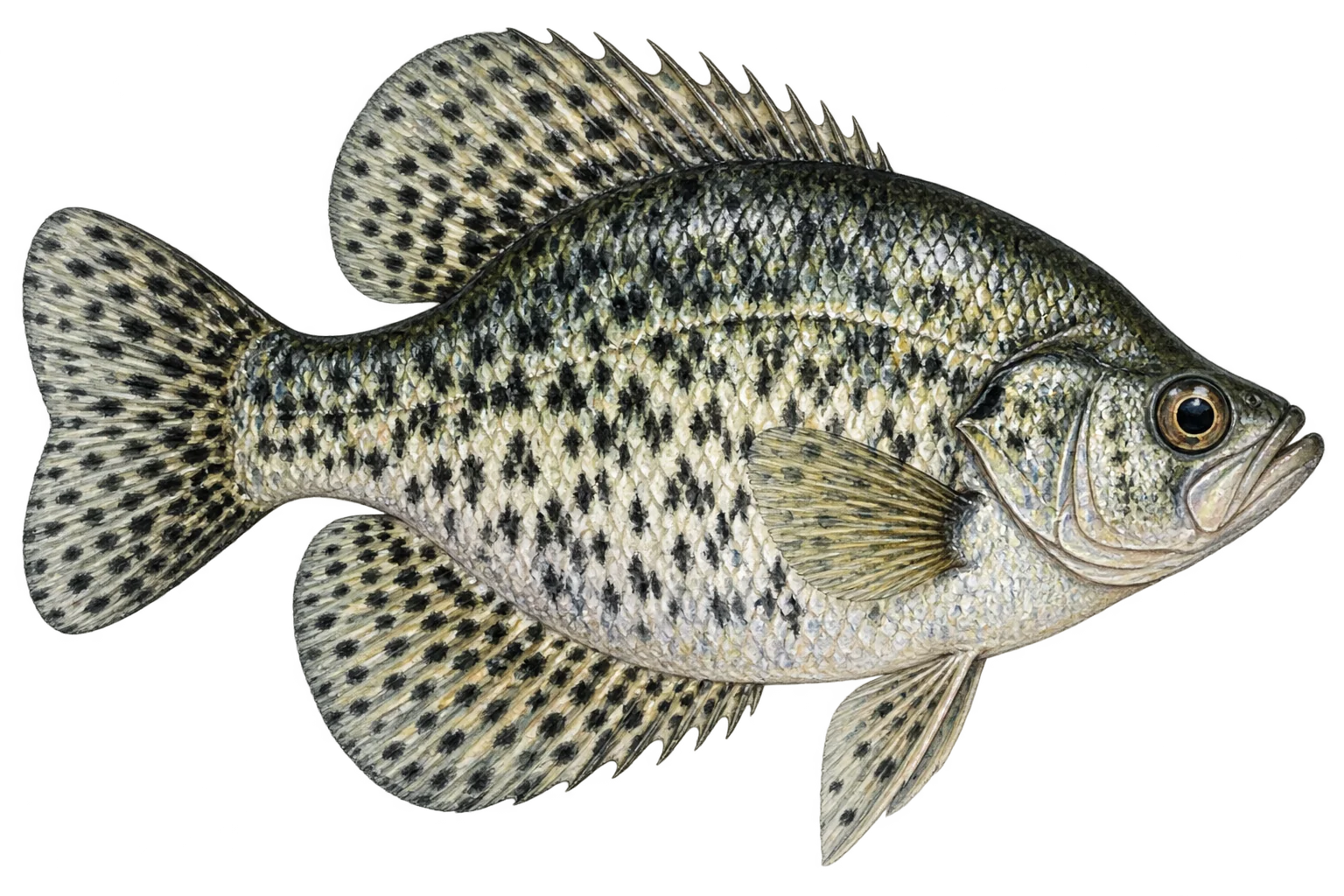 Crappie Pomoxis nigromaculatus, Pomoxis annularis Schooling panfish of lakes, reservoirs and slow rivers all over the country, and among the best to eat. Find one and you have often found a school.
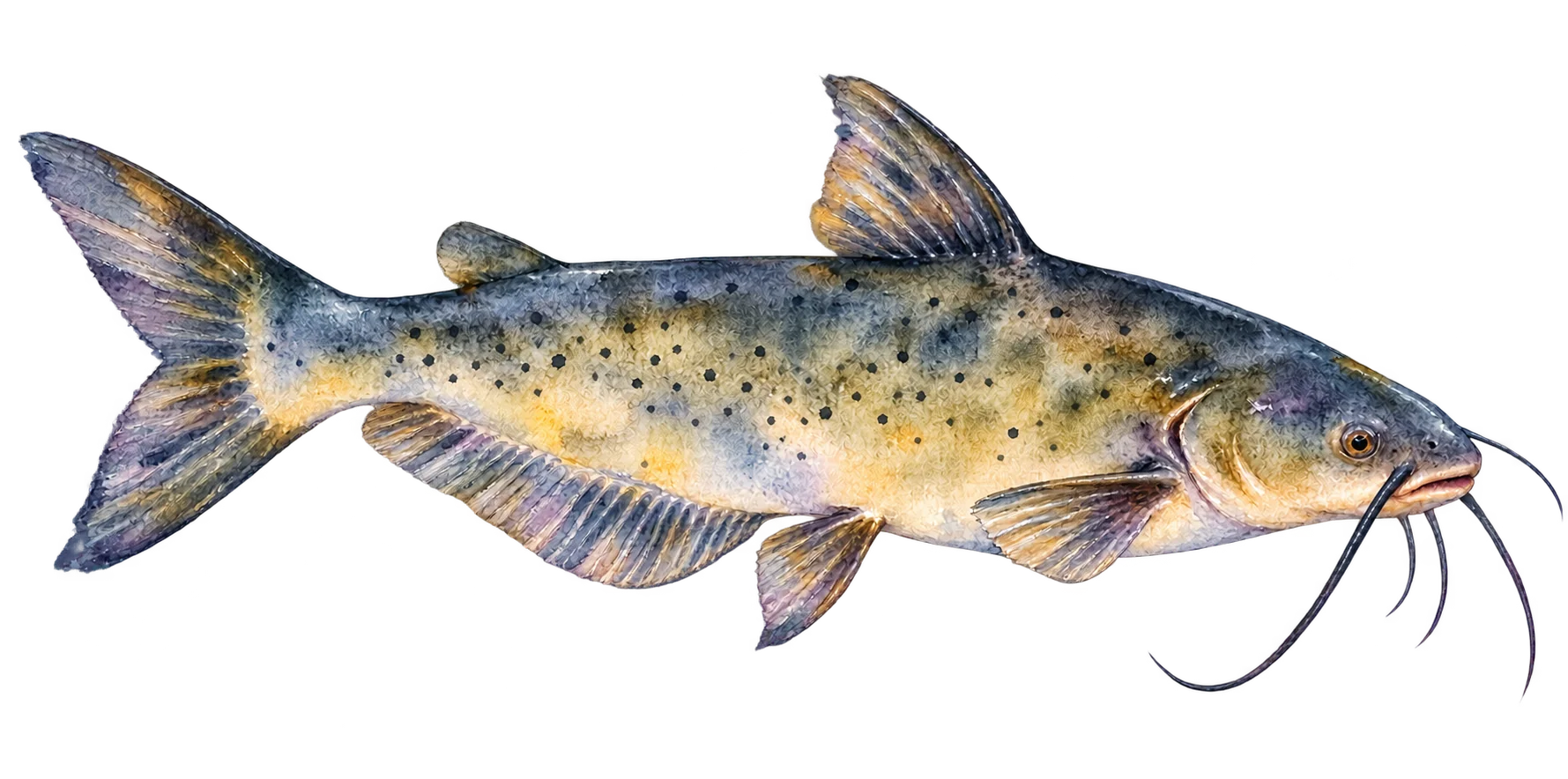 Catfish Ictalurus punctatus, Ictalurus furcatus, Pylodictis olivaris Found across most of the country, in rivers, lakes and ponds, and caught by smell more than sight: bait on the bottom is how most catfish are caught, by day or by night.
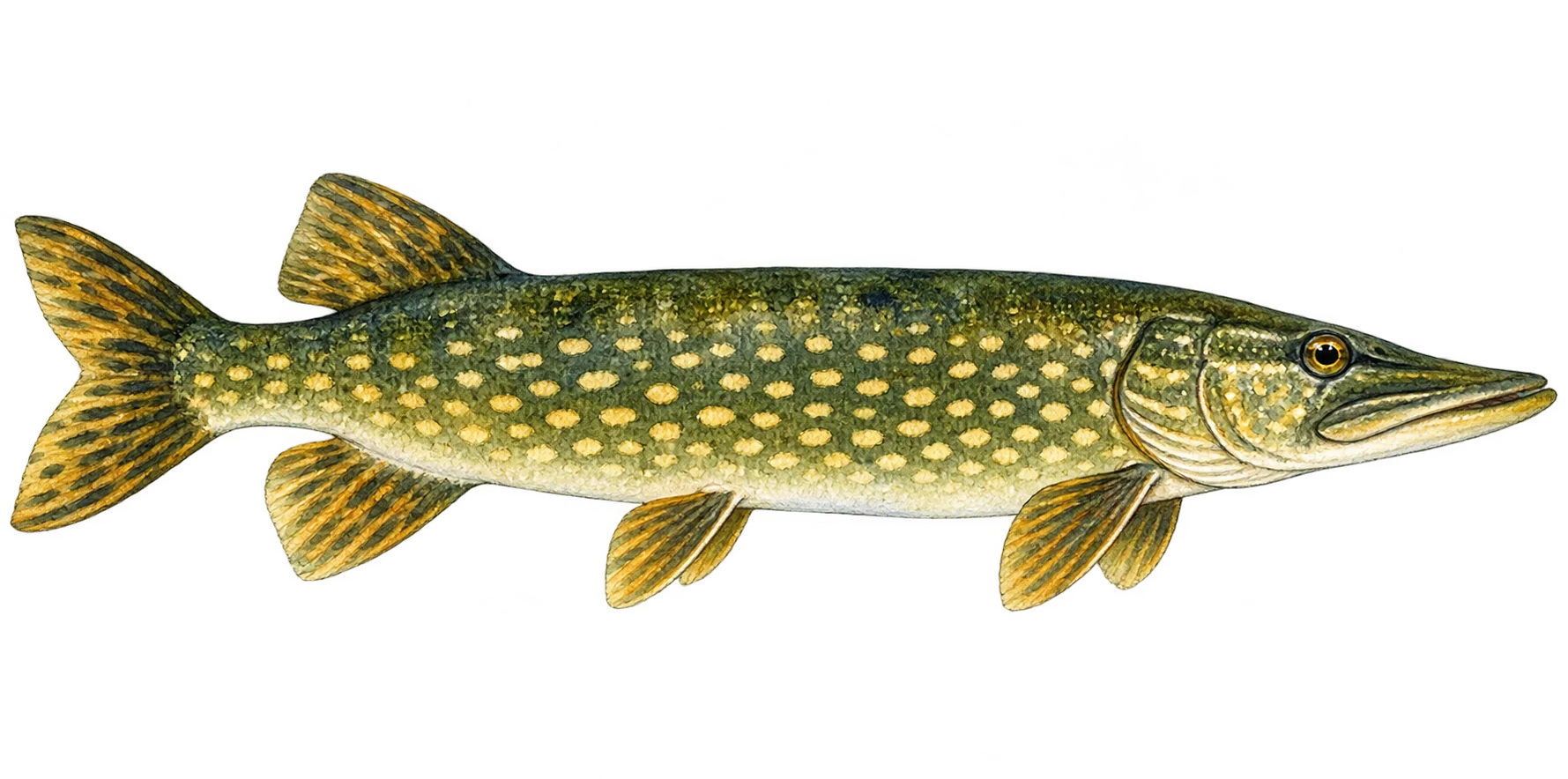 Northern pike Esox lucius The ambush hunter of northern lakes and slow rivers: long, fast and toothy, and happy to hit a big, flashy lure.
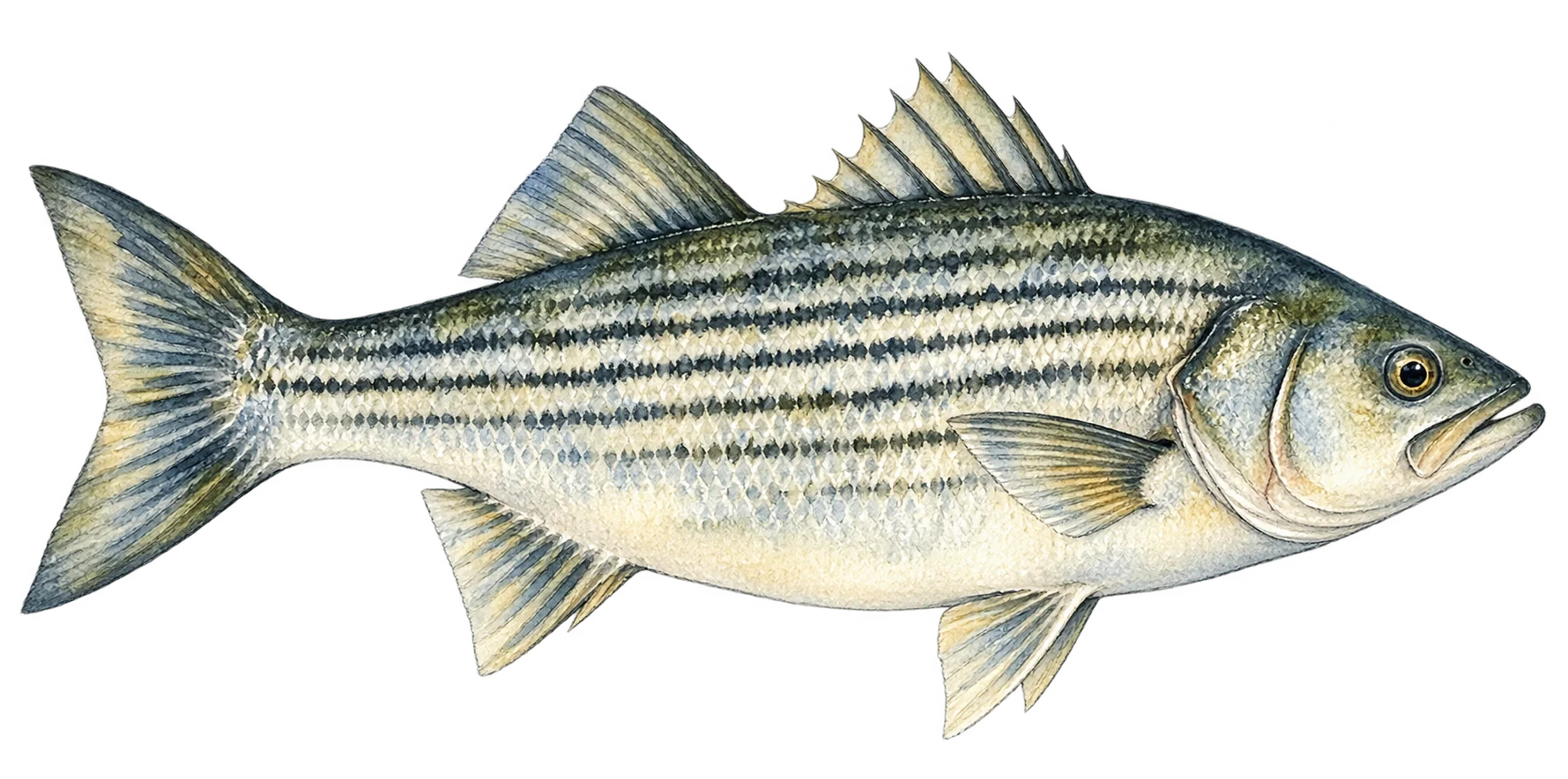 Striped bass Morone saxatilis Native to Atlantic coastal rivers, and stocked into big reservoirs and rivers across the South and West, where stripers run in schools after the shad and fight like nothing else in fresh water.
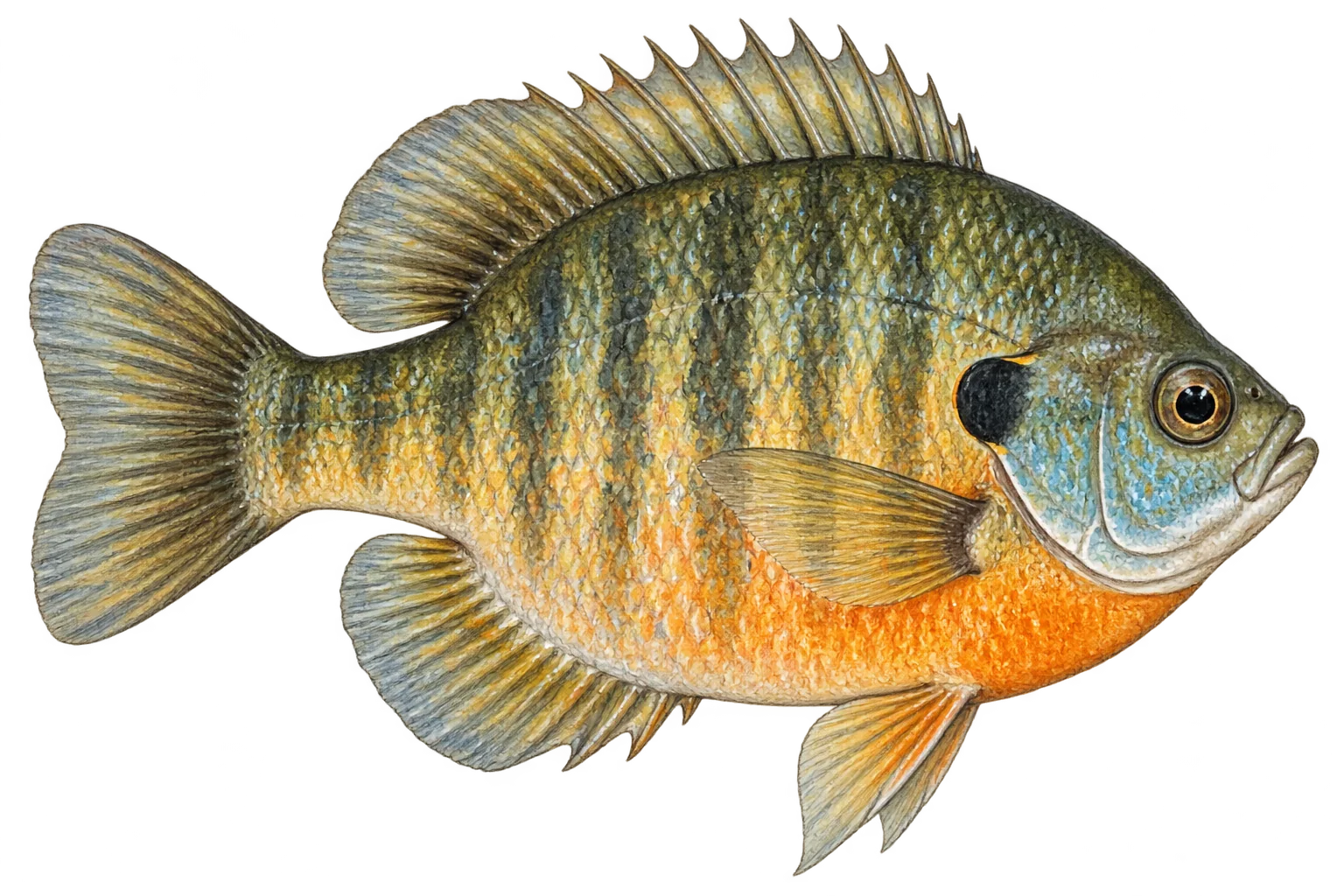 Bluegill Lepomis macrochirus The fish most of us caught first, and still one of the most fun: bluegill live in ponds and lakes across most of the country, bite much of the day in summer, and pull hard for their size on light tackle.
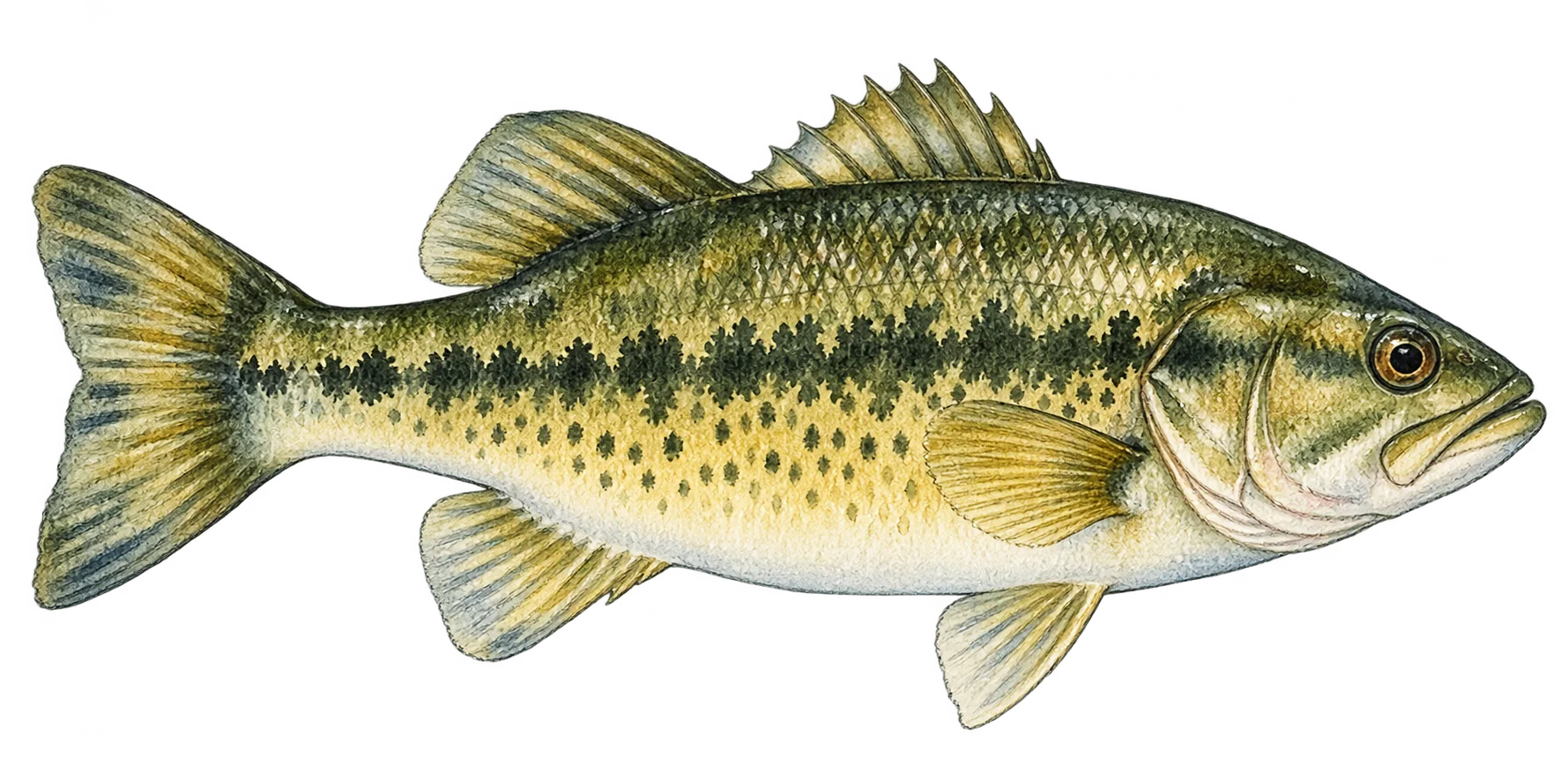 Spotted bass Micropterus punctulatus The black bass of the South’s clear reservoirs and rocky rivers: spotted bass look like largemouth, fight like smallmouth, and often hold deeper and in more current than largemouth.
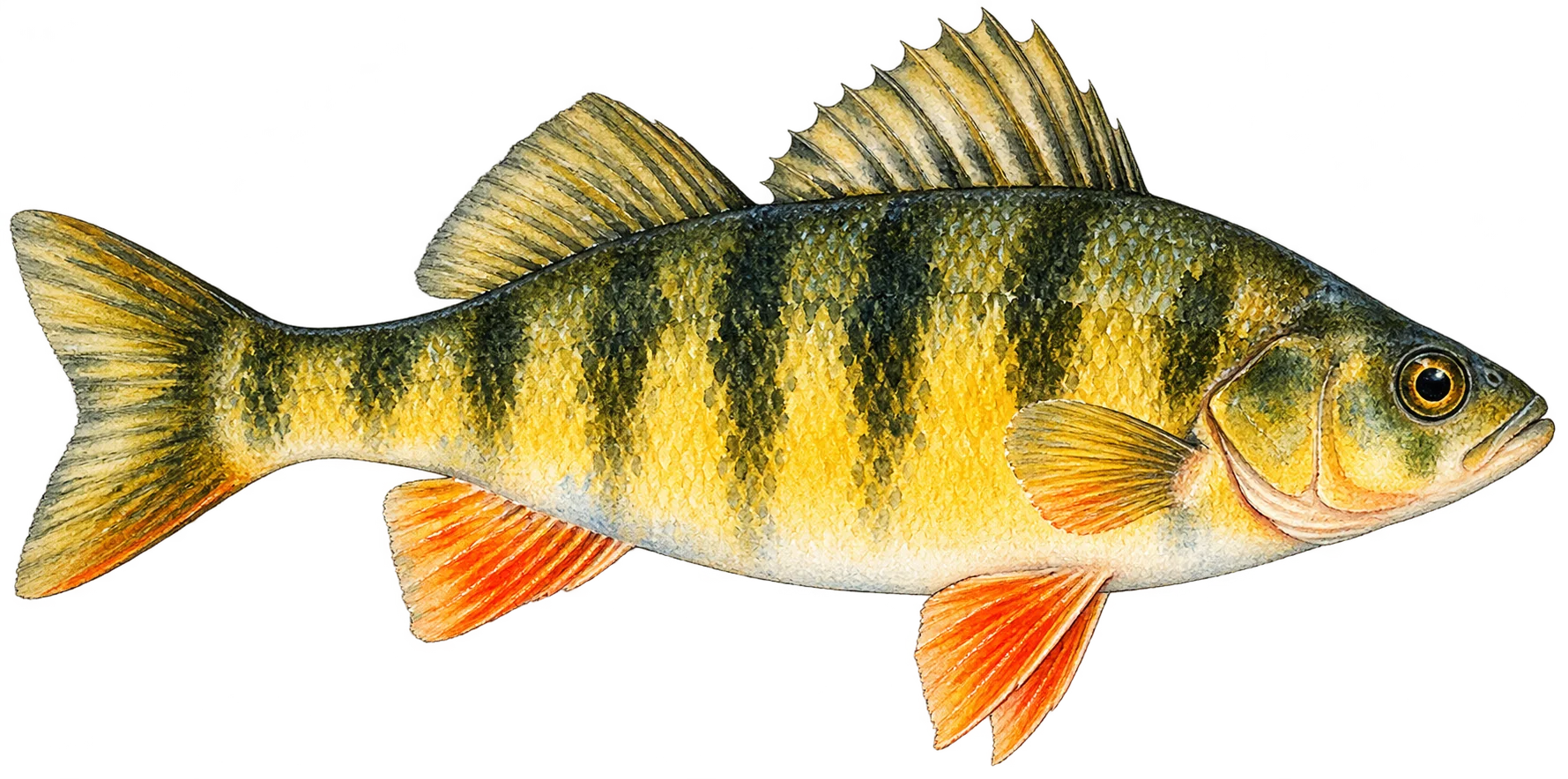 Yellow perch Perca flavescens A schooling fish of northern lakes and the Great Lakes, and one of the best-tasting fish there is: find one yellow perch and you have found a school.
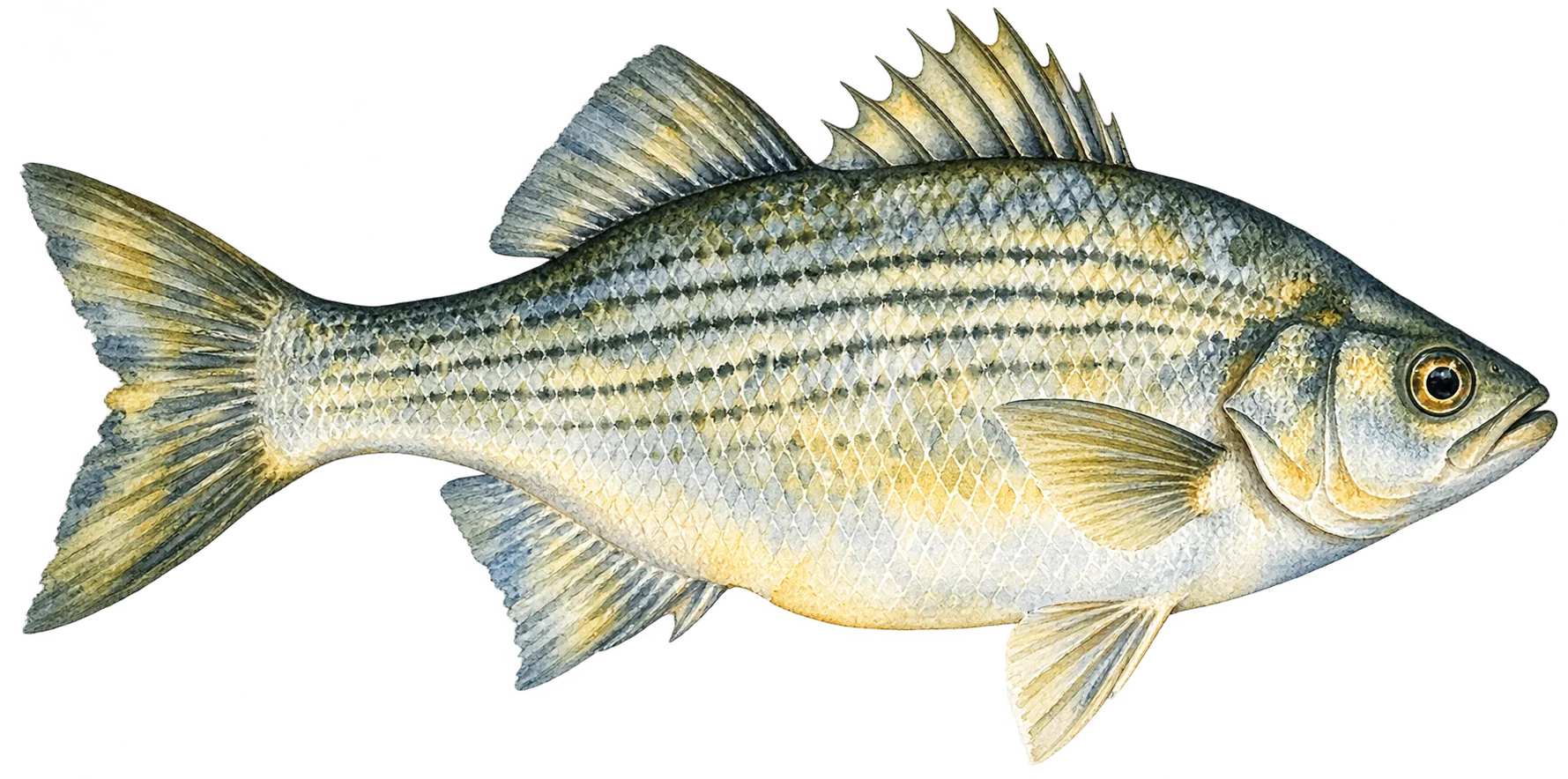 White bass Morone chrysops A fast, hard-fighting cousin of the striper that hunts shad in schools: when white bass break the surface, the action can be fast.
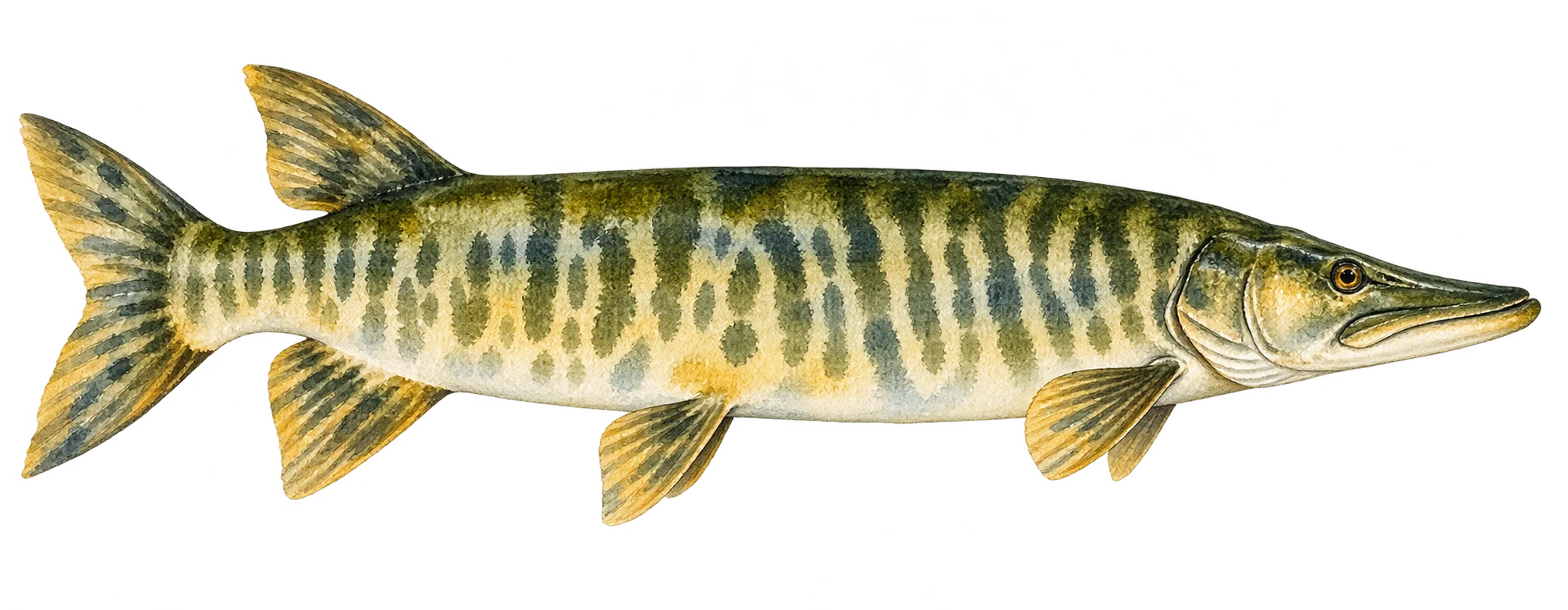 Muskellunge Esox masquinongy The largest of the pike family, and famously hard to catch: muskie often follow a lure without eating it, and the one that does may be four feet long.
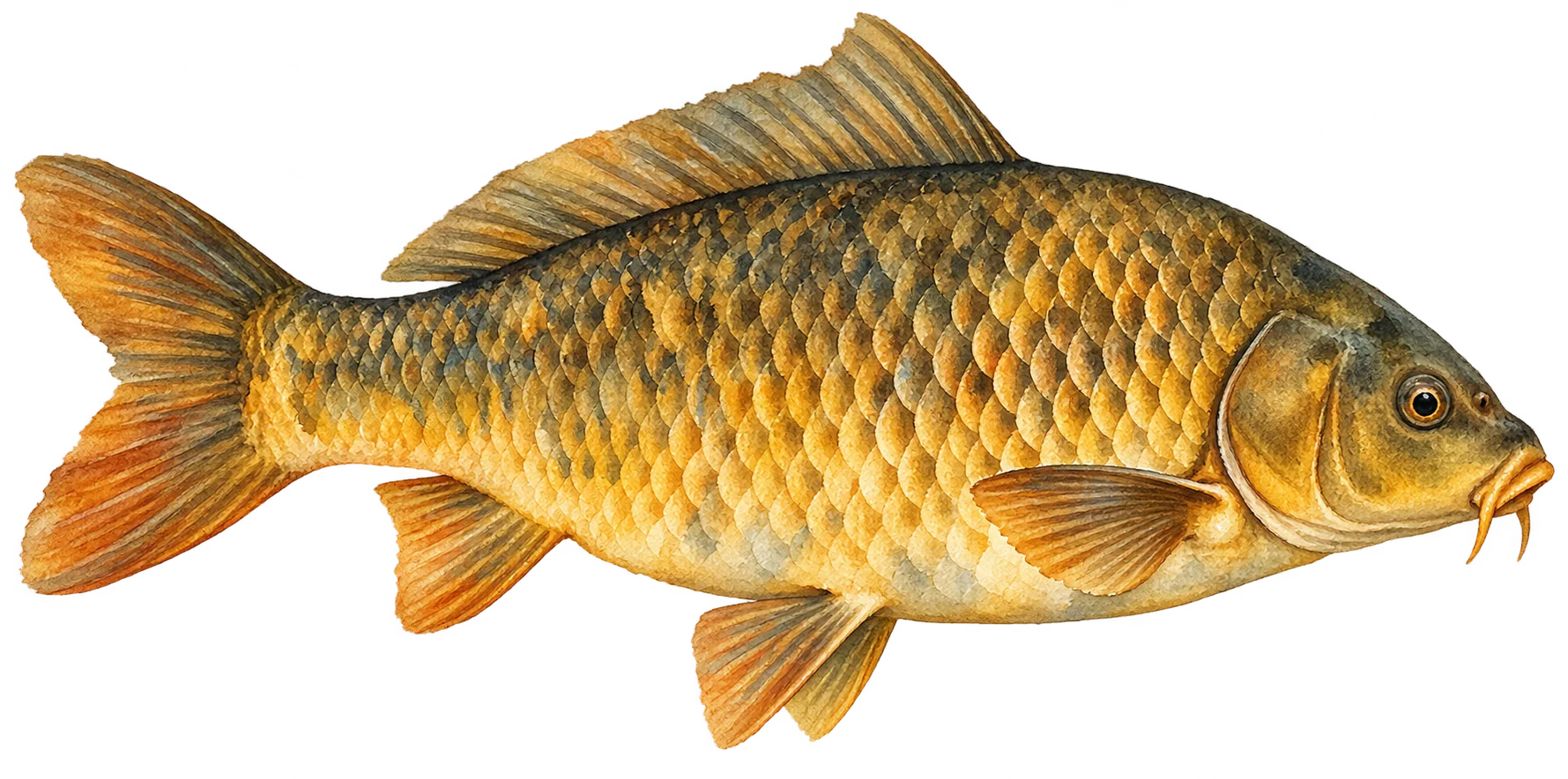 Common carp Cyprinus carpio Big, wary and found in ponds, lakes and rivers across most of the country: a common carp of 10 or 20 pounds on light tackle is one of the strongest fights in fresh water.
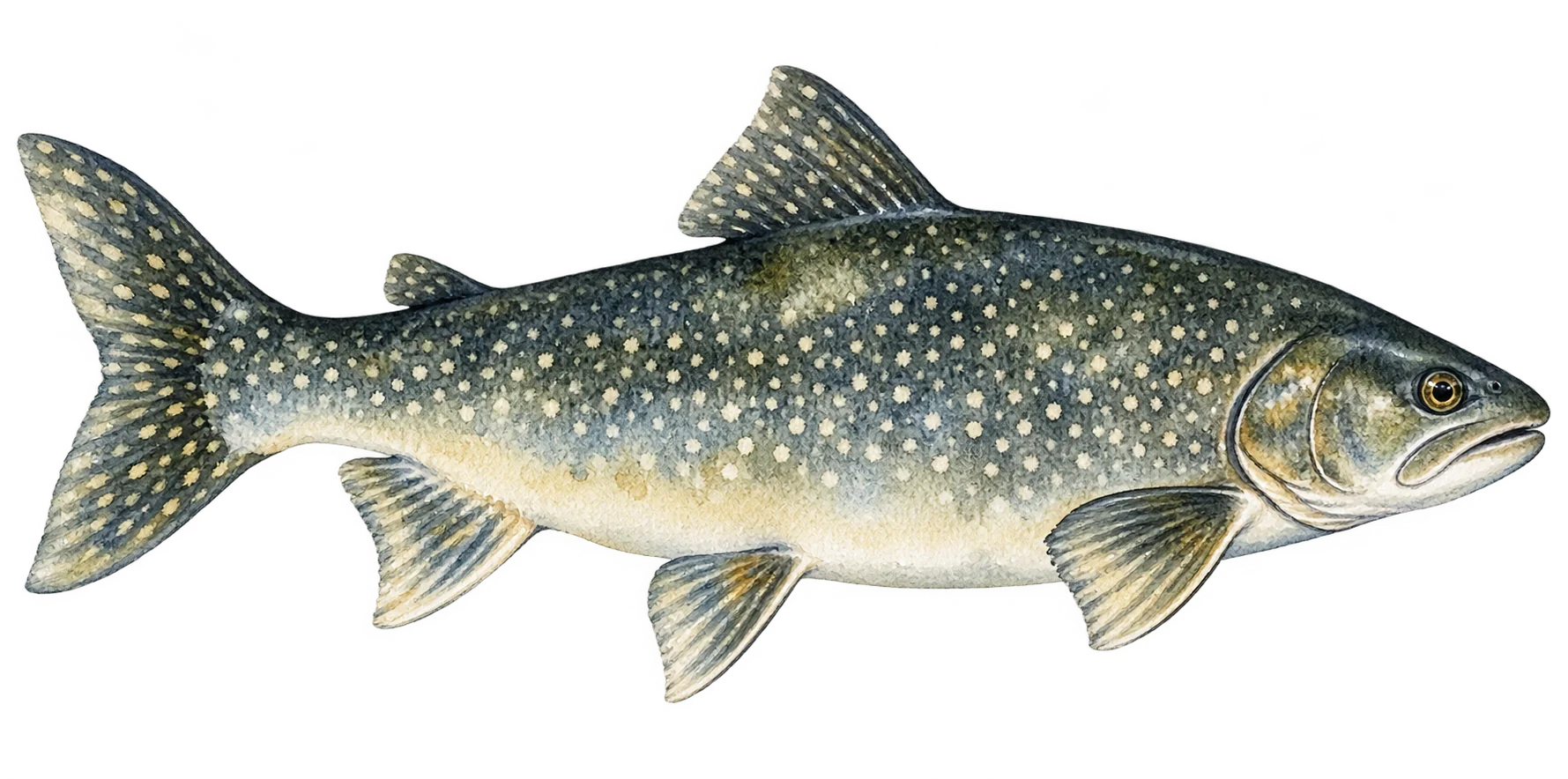 Lake trout Salvelinus namaycush A char (not a true trout) of deep, cold northern lakes that grows big and lives long: lake trout come shallow in spring and fall, and the rest of the year you go deep to find them.
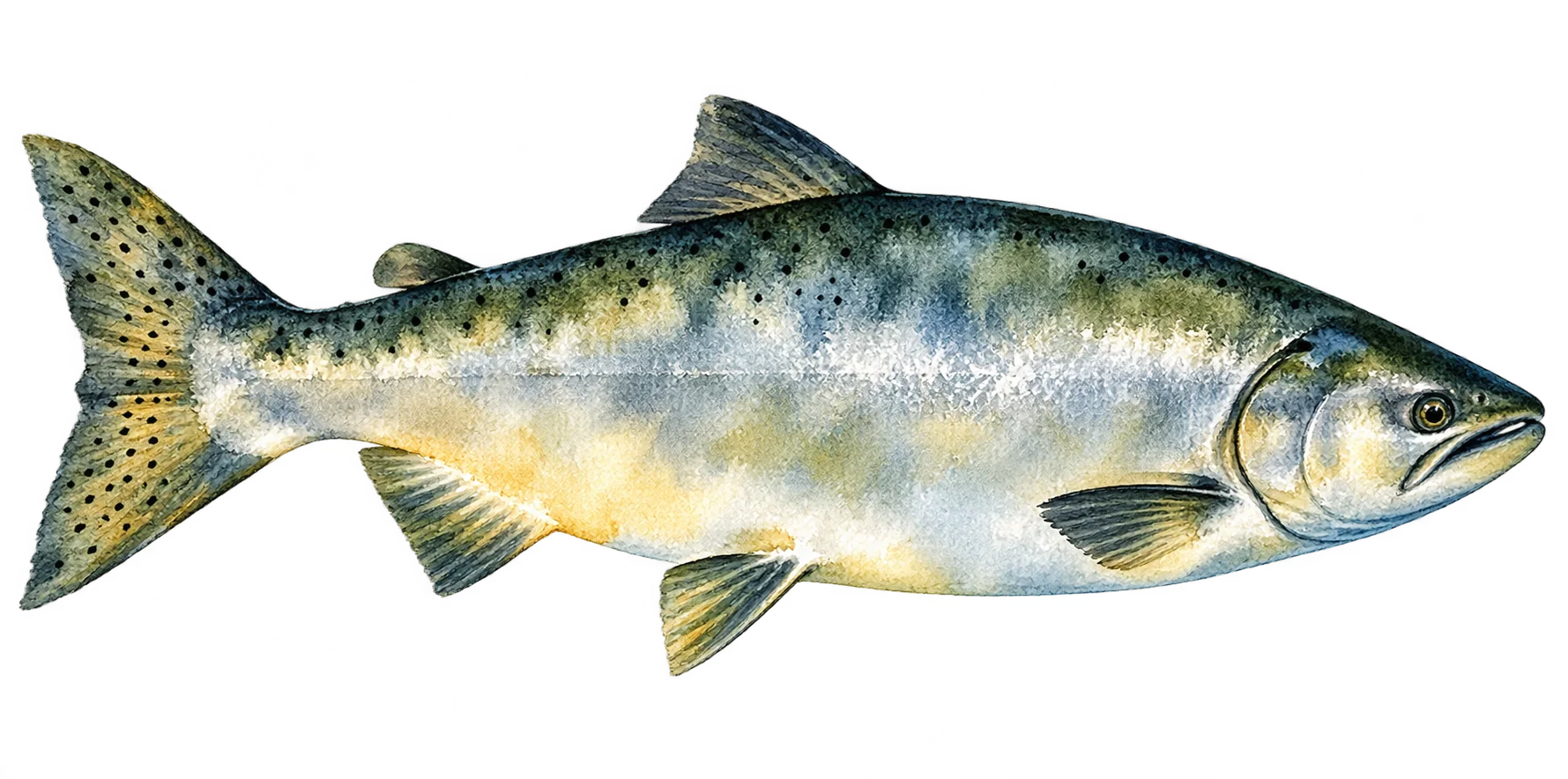 Chinook salmon Oncorhynchus tshawytscha The biggest of the Pacific salmon: chinook grow up at sea, in the Great Lakes or in a few big reservoirs, and run up rivers to spawn, and a fresh king on a river is the fish of a lifetime for many anglers.